
 Image 1 of 3
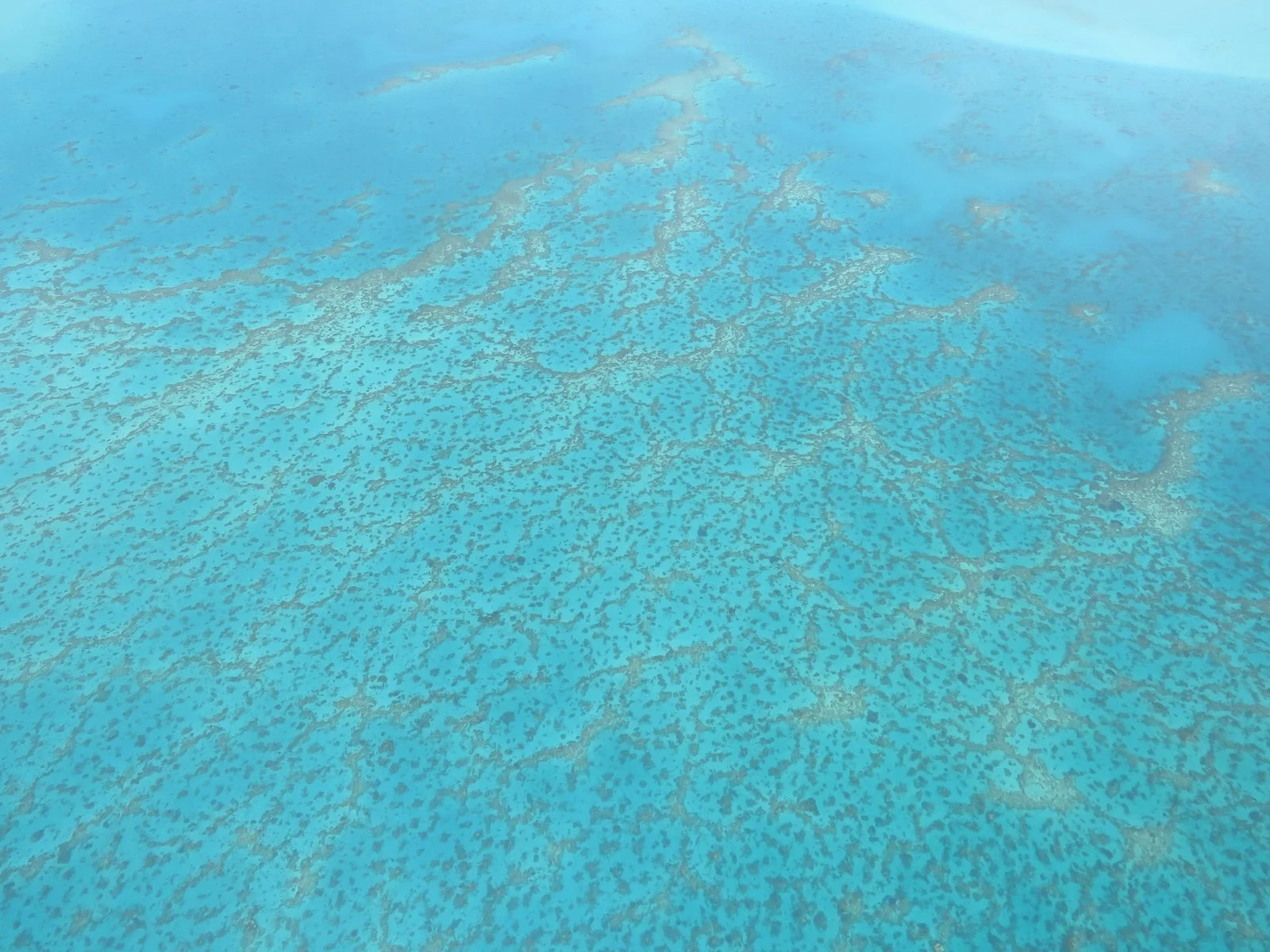 Image 2 of 3
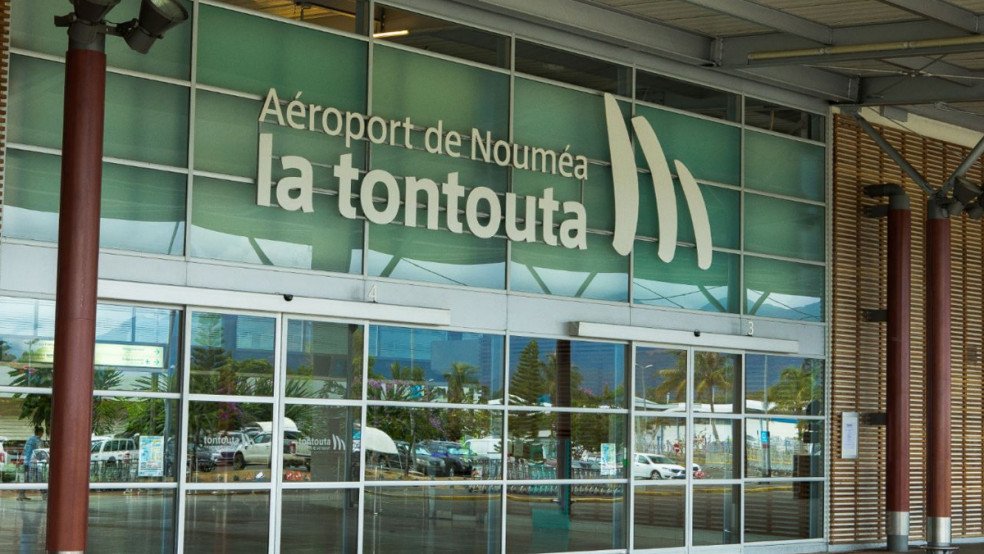 Image 3 of 3
New Caledonia — Grande Terre, Great North & Ouvéa
NEW DESTINATION — CURRENTLY UNDER EXPLORATION
No Slack Loops is developing a new exploratory fly-fishing program across the extraordinary lagoons of New Caledonia.
This is not a single-atoll fishery. New Caledonia is a vast South Pacific archipelago built around Grande Terre, the Loyalty Islands and one of the most extensive reef systems on Earth. Its waters run from mangrove-lined shallows and seagrass beds to pale sand flats, coral islands, reef passes and bluewater drop-offs.
That scale is the attraction – and the challenge. We are currently investigating three distinct areas: the west coast of Grande Terre, the remote Great North Lagoon and the atoll of Ouvéa. Our work includes mapping safe wading water, understanding tides and fish movements, establishing reliable boats and local support, and confirming the customary permissions required to fish responsibly.
Our first hosted opportunities are expected to open progressively during 2027/28, once we are satisfied that the fishing, logistics and local partnerships are ready.
FLY FISHING NEW CALEDONIA
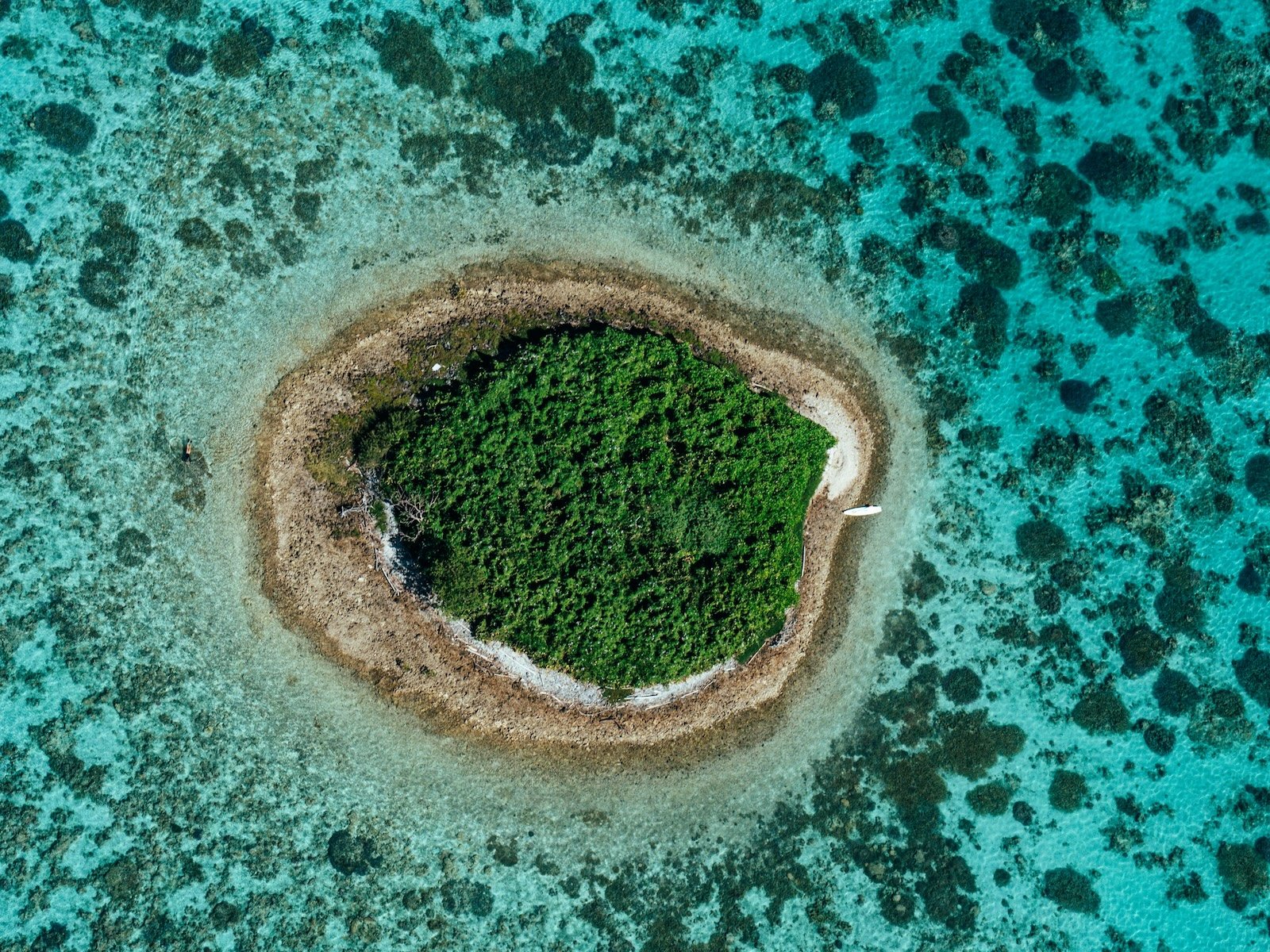
New Caledonia offers a fascinating range of saltwater habitats within one destination. The lagoon system includes coastal flats, mangrove margins, seagrass, coral fingers, sand cays, current-fed passes and an immense outer barrier reef.
Our initial fishing will concentrate on visual opportunities for bluefin, brassy and giant trevally, together with emperors, snapper and other reef and lagoon species that respond well to a fly. Shallow flats and edges may also offer bonefish potential, but we are approaching that honestly: finding bonefish is one thing; establishing a consistent, accessible fishery is another. That is one of the questions our exploratory work is designed to answer.
Some days will involve deliberate wading and sight-fishing. Others will be boat-led, moving between lagoon edges, reef structure and channels where tide concentrates bait. We expect wind, water clarity, tide height and boat range to determine the day’s plan.
New Caledonia is already recognised for conventional lagoon and bluewater fishing, but much of its dedicated flats fly-fishing potential remains undocumented. We will not describe it as a mature fishery until we have developed repeatable fishing plans and dependable local support.
EXPLORING GRANDE TERRE’S WEST COAST
Grande Terre’s west coast is our practical starting point. From the Nouméa region north through La Foa, Bourail, Koné and Voh, the coast is characterised by mangroves, winding channels, narrow lagoons, seagrass and reef systems protected by the outer barrier.
This is varied water rather than a single uninterrupted white-sand flat. We will be looking for fish moving along mangrove edges, across shallow sand and mud, around coral heads and through the mouths of tidal channels. Trevally are the principal attraction, with opportunities to prospect for other predatory reef and lagoon species as conditions change.
The west coast also gives us road access, established accommodation and more reliable infrastructure than the far north or outer islands. That makes it the logical place to refine boats, tides and guiding systems before pushing farther into the archipelago.
Several sections of this coast form part of New Caledonia’s UNESCO-listed lagoon areas and include marine protected zones. Fishing plans will be developed around local regulations, protected areas and community permissions rather than simply around what looks appealing on a satellite image.
EXPLORING THE GREAT NORTH LAGOON
The Great North Lagoon is the wild end of the program. Extending toward the Belep Islands and the northern tip of Grande Terre, it is one of New Caledonia’s most remote and best-preserved marine environments.
From Poingam, at the extreme northern tip of Grande Terre, we can explore the remote flats, islands and reef systems leading toward Boat Pass and the Great North Lagoon. There is excellent bonefish potential here.
The region’s scale demands boats, fuel range, weather judgment and careful logistics. Our interest lies in the meeting points between shallow lagoon water and deeper structure: reef edges, sand cays, passes and current lines capable of holding giant trevally and other large predators.
This will be exploratory fishing in the truest sense. Travel time may be significant, productive water will need to be mapped, and daily plans will change with wind and sea conditions. The objective is not to rush in and sell a fishery. It is to work methodically with local people, learn which areas can be fished safely and responsibly, and determine whether a small hosted program is viable.
Access to northern waters will only be developed with appropriate local and customary support. Kanak communities have deep cultural and practical relationships with these lagoons, and their fishing rights, restricted areas and decisions about visitor access must be respected.
EXPLORING OUVÉA
Ouvéa is a long, narrow atoll in the Loyalty Islands, separated from Grande Terre by open ocean. Its white-sand beaches, turquoise lagoon, reef edges and single major crossing at Mouli give it a very different character from the mainland coast.
For fly anglers, the appeal is immediately visual: clear lagoon margins, pale sand, channels and extensive edges that may allow wading when tide and bottom conditions are right. We will explore these areas for cruising trevally, reef species and any repeatable bonefish opportunities.
Ouvéa will require a deliberately small-footprint approach. It is not a place where visiting anglers should arrive with rods and assume unrestricted access. Accommodation, boats, fishing permissions and local support will be arranged in advance and developed alongside the island community.
The atoll also offers a strong non-angling component: long beaches, snorkeling, cultural experiences and an unhurried Loyalty Islands atmosphere. This may ultimately make Ouvéa well suited to anglers travelling with a non-fishing partner, provided our initial exploration confirms a viable fishing program (we suspect it will).
TRAVEL & DESTINATION INFORMATION
International guests arrive through Nouméa–La Tontouta International Airport. For anglers travelling from the United States, reaching New Caledonia involves an international connection – most commonly through Auckland, Sydney or Brisbane – before the direct onward flight to Nouméa. While it requires more travel than many established destinations, the journey opens access to one of the South Pacific’s largest and least-explored lagoon systems. This also opens up the opportunity to fish in Northern Queensland also.
Australian and New Zealand anglers benefit from near-daily direct services from Sydney, Brisbane and Auckland, with flying times of approximately 2½ to 3¼ hours. Flight schedules and frequencies remain subject to seasonal and operational changes.
La Tontouta Airport is approximately 45 minutes from central Nouméa. Grande Terre exploration will combine road transfers with local boat access. Domestic flights to the Loyalty Islands and Isle of Pines generally take around 40 minutes, although individual island services can change or be suspended. We will confirm all domestic connections before offering fixed guest dates.
Nouméa provides full-service hotels, restaurants and supplies. Outside the capital, accommodation ranges from regional hotels and locally run guesthouses to more basic arrangements. Final programs may combine a comfortable arrival night in Nouméa with smaller properties closer to the fishing.
New Caledonia has a warm South Pacific climate throughout the year. The cooler period runs broadly from April to November, while December to March is warmer and carries greater cyclone and heavy-rain risk. Expedition dates will be selected around seasonal weather, wind and the tides required for the areas we intend to fish.
CONSERVATION, ACCESS & LOCAL PARTNERSHIPS
Six parts of New Caledonia’s lagoon system are recognized by UNESCO for their exceptional reef diversity and connected habitats, including mangroves, seagrass, coral reefs and open-lagoon ecosystems.
This is a place where access must be earned. We will work with local operators, communities and relevant authorities to understand protected zones, provincial fishing rules and customary rights. Some areas will be unsuitable or unavailable for recreational fishing, regardless of their apparent potential.
We will, of course, expect catch-and-release fishing for trevally, bonefish and other sporting species, use small groups and avoid sensitive no-take or culturally restricted areas. The objective is to build a program that contributes locally and demonstrates the long-term value of a conservatively managed recreational fishery.
OPENING FOR GUESTS IN 2027/28
New Caledonia is a new No Slack Loops location that we are currently exploring. We expect to open the first hosted opportunities progressively during 2027/28, with individual programs developed for Grande Terre, the Great North Lagoon and Ouvéa if our exploratory work confirms that each area is suitable.
The first visits will suit experienced saltwater anglers who enjoy pioneering new water and who understand that exploratory travel involves genuine unknowns. Conditions, access, fishing plans and daily travel time may change during the week.
Our trip pricing is indicative only at this stage and representative of a week in New Caledonia, starting on arrival into Noumea, with us managing all domestic travel, accommodation, meals, guides, boats and logistics.
If you would like to receive updates on our plans for New Caledonia, or be considered for one of the first hosted departures, give us a call or drop us an email. We will run a couple of trips in the second half of 2027 for some of our more adventurous guests.
NEW DESTINATION — CURRENTLY UNDER EXPLORATION
No Slack Loops is developing a new exploratory fly-fishing program across the extraordinary lagoons of New Caledonia.
This is not a single-atoll fishery. New Caledonia is a vast South Pacific archipelago built around Grande Terre, the Loyalty Islands and one of the most extensive reef systems on Earth. Its waters run from mangrove-lined shallows and seagrass beds to pale sand flats, coral islands, reef passes and bluewater drop-offs.
That scale is the attraction – and the challenge. We are currently investigating three distinct areas: the west coast of Grande Terre, the remote Great North Lagoon and the atoll of Ouvéa. Our work includes mapping safe wading water, understanding tides and fish movements, establishing reliable boats and local support, and confirming the customary permissions required to fish responsibly.
Our first hosted opportunities are expected to open progressively during 2027/28, once we are satisfied that the fishing, logistics and local partnerships are ready.
FLY FISHING NEW CALEDONIA
New Caledonia offers a fascinating range of saltwater habitats within one destination. The lagoon system includes coastal flats, mangrove margins, seagrass, coral fingers, sand cays, current-fed passes and an immense outer barrier reef.
Our initial fishing will concentrate on visual opportunities for bluefin, brassy and giant trevally, together with emperors, snapper and other reef and lagoon species that respond well to a fly. Shallow flats and edges may also offer bonefish potential, but we are approaching that honestly: finding bonefish is one thing; establishing a consistent, accessible fishery is another. That is one of the questions our exploratory work is designed to answer.
Some days will involve deliberate wading and sight-fishing. Others will be boat-led, moving between lagoon edges, reef structure and channels where tide concentrates bait. We expect wind, water clarity, tide height and boat range to determine the day’s plan.
New Caledonia is already recognised for conventional lagoon and bluewater fishing, but much of its dedicated flats fly-fishing potential remains undocumented. We will not describe it as a mature fishery until we have developed repeatable fishing plans and dependable local support.
EXPLORING GRANDE TERRE’S WEST COAST
Grande Terre’s west coast is our practical starting point. From the Nouméa region north through La Foa, Bourail, Koné and Voh, the coast is characterised by mangroves, winding channels, narrow lagoons, seagrass and reef systems protected by the outer barrier.
This is varied water rather than a single uninterrupted white-sand flat. We will be looking for fish moving along mangrove edges, across shallow sand and mud, around coral heads and through the mouths of tidal channels. Trevally are the principal attraction, with opportunities to prospect for other predatory reef and lagoon species as conditions change.
The west coast also gives us road access, established accommodation and more reliable infrastructure than the far north or outer islands. That makes it the logical place to refine boats, tides and guiding systems before pushing farther into the archipelago.
Several sections of this coast form part of New Caledonia’s UNESCO-listed lagoon areas and include marine protected zones. Fishing plans will be developed around local regulations, protected areas and community permissions rather than simply around what looks appealing on a satellite image.
EXPLORING THE GREAT NORTH LAGOON
The Great North Lagoon is the wild end of the program. Extending toward the Belep Islands and the northern tip of Grande Terre, it is one of New Caledonia’s most remote and best-preserved marine environments.
From Poingam, at the extreme northern tip of Grande Terre, we can explore the remote flats, islands and reef systems leading toward Boat Pass and the Great North Lagoon. There is excellent bonefish potential here.
The region’s scale demands boats, fuel range, weather judgment and careful logistics. Our interest lies in the meeting points between shallow lagoon water and deeper structure: reef edges, sand cays, passes and current lines capable of holding giant trevally and other large predators.
This will be exploratory fishing in the truest sense. Travel time may be significant, productive water will need to be mapped, and daily plans will change with wind and sea conditions. The objective is not to rush in and sell a fishery. It is to work methodically with local people, learn which areas can be fished safely and responsibly, and determine whether a small hosted program is viable.
Access to northern waters will only be developed with appropriate local and customary support. Kanak communities have deep cultural and practical relationships with these lagoons, and their fishing rights, restricted areas and decisions about visitor access must be respected.
EXPLORING OUVÉA
Ouvéa is a long, narrow atoll in the Loyalty Islands, separated from Grande Terre by open ocean. Its white-sand beaches, turquoise lagoon, reef edges and single major crossing at Mouli give it a very different character from the mainland coast.
For fly anglers, the appeal is immediately visual: clear lagoon margins, pale sand, channels and extensive edges that may allow wading when tide and bottom conditions are right. We will explore these areas for cruising trevally, reef species and any repeatable bonefish opportunities.
Ouvéa will require a deliberately small-footprint approach. It is not a place where visiting anglers should arrive with rods and assume unrestricted access. Accommodation, boats, fishing permissions and local support will be arranged in advance and developed alongside the island community.
The atoll also offers a strong non-angling component: long beaches, snorkeling, cultural experiences and an unhurried Loyalty Islands atmosphere. This may ultimately make Ouvéa well suited to anglers travelling with a non-fishing partner, provided our initial exploration confirms a viable fishing program (we suspect it will).
TRAVEL & DESTINATION INFORMATION
International guests arrive through Nouméa–La Tontouta International Airport. For anglers travelling from the United States, reaching New Caledonia involves an international connection – most commonly through Auckland, Sydney or Brisbane – before the direct onward flight to Nouméa. While it requires more travel than many established destinations, the journey opens access to one of the South Pacific’s largest and least-explored lagoon systems. This also opens up the opportunity to fish in Northern Queensland also.
Australian and New Zealand anglers benefit from near-daily direct services from Sydney, Brisbane and Auckland, with flying times of approximately 2½ to 3¼ hours. Flight schedules and frequencies remain subject to seasonal and operational changes.
La Tontouta Airport is approximately 45 minutes from central Nouméa. Grande Terre exploration will combine road transfers with local boat access. Domestic flights to the Loyalty Islands and Isle of Pines generally take around 40 minutes, although individual island services can change or be suspended. We will confirm all domestic connections before offering fixed guest dates.
Nouméa provides full-service hotels, restaurants and supplies. Outside the capital, accommodation ranges from regional hotels and locally run guesthouses to more basic arrangements. Final programs may combine a comfortable arrival night in Nouméa with smaller properties closer to the fishing.
New Caledonia has a warm South Pacific climate throughout the year. The cooler period runs broadly from April to November, while December to March is warmer and carries greater cyclone and heavy-rain risk. Expedition dates will be selected around seasonal weather, wind and the tides required for the areas we intend to fish.
CONSERVATION, ACCESS & LOCAL PARTNERSHIPS
Six parts of New Caledonia’s lagoon system are recognized by UNESCO for their exceptional reef diversity and connected habitats, including mangroves, seagrass, coral reefs and open-lagoon ecosystems.
This is a place where access must be earned. We will work with local operators, communities and relevant authorities to understand protected zones, provincial fishing rules and customary rights. Some areas will be unsuitable or unavailable for recreational fishing, regardless of their apparent potential.
We will, of course, expect catch-and-release fishing for trevally, bonefish and other sporting species, use small groups and avoid sensitive no-take or culturally restricted areas. The objective is to build a program that contributes locally and demonstrates the long-term value of a conservatively managed recreational fishery.
OPENING FOR GUESTS IN 2027/28
New Caledonia is a new No Slack Loops location that we are currently exploring. We expect to open the first hosted opportunities progressively during 2027/28, with individual programs developed for Grande Terre, the Great North Lagoon and Ouvéa if our exploratory work confirms that each area is suitable.
The first visits will suit experienced saltwater anglers who enjoy pioneering new water and who understand that exploratory travel involves genuine unknowns. Conditions, access, fishing plans and daily travel time may change during the week.
Our trip pricing is indicative only at this stage and representative of a week in New Caledonia, starting on arrival into Noumea, with us managing all domestic travel, accommodation, meals, guides, boats and logistics.
If you would like to receive updates on our plans for New Caledonia, or be considered for one of the first hosted departures, give us a call or drop us an email. We will run a couple of trips in the second half of 2027 for some of our more adventurous guests.